
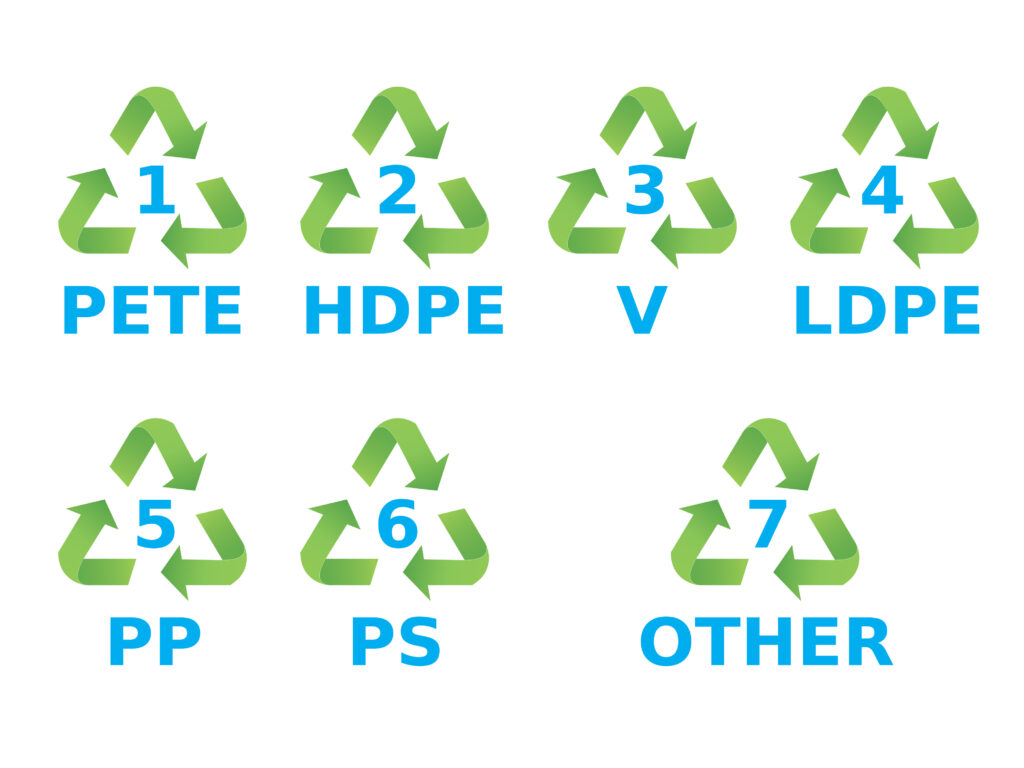
I’m still trying to make sense of plastic recycling – and at this point, I’m genuinely wondering if this is one of those situations where it’s not me… it’s them. Because the system? It makes absolutely no sense. And I say that as someone who has spent years trying to understand it – reading labels, researching materials, talking to experts, and doing what many of us were taught to do: rinse it, sort it, and trust that putting plastic in the recycling bin is “doing the right thing.” Spoiler alert: it’s not that simple.
And that realization is exactly why I care so deeply about this work.
My personal KPI for this chapter of my life as a writer and sustainability advocate is admittedly ambitious. Saving the world. (I know. Bold.) But really, I’m hoping a whole lot of us are doing this together because we’re long past the point of celebrating incremental progress with phrases like “I hope this moves the needle.” When it comes to plastic, the needle is buried.
There’s no silver bullet here. This won’t be solved in one fell swoop. But “death by a thousand cuts” doesn’t feel like a strategy either especially when many of those cuts come from systems that were never designed to work in the first place.
So today, saving the planet is once again on the agenda. Specifically: plastic. Where it comes from, why recycling it is so complicated, and what we can actually do right now even while waiting for the real solutions to exist.
If the true solution is eliminating packaging altogether, then yes, I’m all in. In a perfect world, everything would be reusable, refillable, or genuinely recyclable – not downcycled, not “technically recyclable,” not wish-cycled. As a friend of mine who works in sustainable packaging has shared, “the only truly sustainable packaging that exists right now is a banana peel.”
Until we reach banana-peel-level perfection, I’ve become a devoted refillery shopper, and I love it. Refill stores allow you to bring your own containers (or use theirs) to buy products without single-use packaging. Laundry detergent, shampoo, conditioner, dish soap, body wash? I’m fully dialed in. No plastic. No waste. No problem.
Food, however, is a different story.
Many people, including me, don’t have easy access to refilleries or bulk/bin/package-free grocery options, and even when they do, those options are often limited to things like nuts or grains. The infrastructure simply isn’t there yet. So, while refilleries are an incredible solution, they are not yet a universal one.
And that’s where most of us find ourselves.
Maybe this is the first time you’re hearing that not all plastic belongs in your curbside bin. Maybe you work in sustainability and already know how broken the system is. Or maybe you’re somewhere in between just trying to do the right thing without a PhD in material science.
Wherever you land, this blog is for you.
Because when refilling isn’t available, when packaging can’t be avoided, and when plastic still shows up anyway… the question becomes: Then what?
The “Better, Not Perfect” Phase
Once we’ve exhausted our ability to avoid packaging altogether – yes, your daily coffee in a single-use cup counts – the next step is what I call next-level solutions. They aren’t perfect, but they are significantly better than what is likely happening to most plastic right now.
First things first: start carrying your own container. Please. Enough already. Bring your own cup. Bring your own jar. And yes, you can absolutely bring your own container to dinner. I do. Proudly. I accept the stares as I pull a container out of my purse and pack up my leftovers because declining single-use packaging is one of the simplest, most effective actions we can take. I even have a small, stackable set so appetizers, entrées, and dessert each get their own container. (My daughter and I have also started sharing meals to reduce waste, but that’s a whole other blog. Note to self.)
Between refillery shopping and carrying your own containers, you’re already off to a strong start. But this is where most people ask the obvious question: Okay… then what?
Here’s what comes next.
Designate a place in your home to collect specific types of plastic:
- Plastics labeled #2 (HDPE)
- Plastics labeled #4 (LDPE)
- Any packaging labeled “Return to Store for Recycling”
- Plastic film – the stretchy kind that doesn’t tear easily and doesn’t make that crinkly sound when you scrunch it
(If this sounds confusing, don’t worry, I’ll include visuals and links below to make this crystal clear.)
These materials can be recycled, just not in your curbside bin. Instead, they belong at store drop-off locations. Many grocery stores accept them, and near me, Stop & Shop is the most accessible option. Most locations have clearly labeled “plastic film” bins right at the entrance or exit. Bring your collected plastics with you on your next grocery run and drop them there.
Is this the ultimate solution? No. Is it better than wish-cycling or sending it straight to landfill? Absolutely. And until we have truly recyclable packaging or banana peels for everything, this is one of the most practical, high-impact steps we can take right now.
The Three-Step Reality Check
So far, our path looks like this:
Step One: Avoid as much packaging as possible.
Step Two: Properly recycle what can actually be recycled.
And Step Three: Figure out what to do with the plastics no one really wants to talk about.
Let’s clarify and add a bit more detail to Step Two.
Certain plastics, specifically #2 (HDPE), #4 (LDPE), and plastic film, do have a recycling pathway when handled correctly. Plastic film, by the way, includes more than most people realize:
- Grocery bags
- Mailer bags
- Paper towel and toilet paper overwrap
- Bread bags
- Bubble wrap
- Air pillows
- Dry cleaning bags
- Cereal box liners
- Salt and ice bags
- Ziploc and other food storage bags
- Newspaper sleeves
- Produce bags
- And more
These items do not belong in your curbside recycling bin, but they can be recycled through store drop-off programs (like the plastic film bins at many grocery stores). When we get these materials to the right place, we keep them out of landfills and contamination streams, which absolutely matters.
Now comes Step Three, and this is where things get tricky (or perhaps I should say trickier).
Multilayer plastics which include items like:
- Chip bags, granola bar, and candy wrappers
- Stand-up food pouches
- Frozen food packaging
- Dry food packaging
- And more
These materials are made from multiple layers bonded together, which means they cannot go in curbside recycling or store drop-off film programs. And let’s be honest, if we have them, it’s often because refillery-style shopping simply isn’t an option for that product.
While fully homemade, ingredient-only households can reduce some packaging, that approach represents a much later step, and one that isn’t realistic or accessible for most people. This conversation is about practical, stepped solutions we can use now, not perfection or off-grid living.
So how do we keep these multilayered plastic packaging items out of the trash?
This is where specialized recycling services come in – some paid, some brand-sponsored.
Two of the most well-known options are Ridwell (based in Seattle, WA) and TerraCycle (based in Trenton, NJ). You may also see NexTrex mentioned frequently, but they are the company working behind the scenes with grocery stores to recycle #2, #4, and plastic film and they do not accept multilayer plastics or other difficult to recycle items. I will give them a shoutout here though, because they have the best visuals and explanations – many are included below. Thanks NexTrex!
Ridwell offers pickup, drop-off, or mail-in services depending on where you live. I reached out to them with questions and heard back in under 30 minutes – a strong first impression. Their starter kit typically includes:
- One plastic film collection bag
- One multilayer plastic collection bag
- Clear instructions for getting started
Here’s where personal values come into play. If you can recycle plastic film for free at a local store, paying to ship that same material across the country may not feel like the most sustainable option. The good news is that after the initial kit, you can essentially focus your subscription on multilayer plastics only.


Ridwell also accepts items like prescription pill bottles, bottle caps, corks, textiles (yes, including ripped clothing, socks, and underwear), batteries, and light bulbs. And let’s pause on that clothing piece for a moment. Because honestly, do you have a good solution for old underwear? If you do, I’m impressed. (And slightly concerned.)
For me, Ridwell’s biggest value is its multilayer plastic and textile options. I already have systems in place for batteries and light bulbs through my town’s hazardous waste collection days. Bottle caps are saved for art projects. Prescription bottles are minimal, but it’s reassuring to know there’s an alternative to landfill.
TerraCycle, on the other hand, works primarily through brand partnerships. In this model, companies like Burt’s Bees pay TerraCycle to take back their packaging – meaning the consumer pays nothing.
TerraCycle partners with tons of brands and accepts over 300 items like:
- Toothpaste tubes
- Coffee bags and pods
- Razors
- Aerosol spray cans
- Certain multilayer food packaging
The system requires you to collect one brand per container, print a prepaid shipping label, and mail it back. While it does take a bit of organization, one major upside is worth naming: the producer — not the consumer — is paying for the recycling.
There is, of course, so much more to say. And still so much to figure out.
But one of the most important lessons I’m sitting with right now is this: we need stepped approaches. If we dismiss solutions because they aren’t ideal or perfect, we will never get ourselves out of this mess. None of the options discussed here are flawless. Some cost money. Some require time and effort. Some exist only because the packaging never should have been designed this way in the first place.
And yet, until the day everything comes in a banana peel, until innovation catches up with consumerism (or consumerism slows down in service of sustainability), these are the tools we have. Using them thoughtfully is how we move from where we are toward real, measurable impact.
So, in the spirit of transparency and accountability, here’s how I’m choosing to move forward.
My Personal Commitments
I will continue to:
- Refill shop for as much as I possibly can
- Cook from scratch as much as life realistically allows
- Bring my own containers for coffee stops and take-away meals
- Separate all plastic film and return it to my local store during grocery trips
- Collect batteries, light bulbs, and similar items for hazardous waste days
- Save bottle caps and select packaging (like the Give a Crap toilet paper wrap – incredible collage paper) for art projects
And I’m adding two new commitments:
- I’ll begin separating certain brand-specific items – like Burt’s Bees chapstick and toothpaste packaging – and return them through TerraCycle once I’ve collected enough
- I’ll use a Ridwell starter kit specifically for multilayer plastics that have no other viable pathway
These choices won’t solve everything. But they move me forward, and they keep plastic out of the trash while we push for better systems.
Now I’d love to hear from you.
What feels doable where you live?
What’s one step you might try next?
And what solutions do you wish existed but don’t yet?
Because real change doesn’t come from perfection. It comes from participation.







2 Responses
Kimberly, I appreciate the thoughtfulness and honesty in this piece.
You’re absolutely right that most people are trying to “do the right thing” without clear guidance, and that the infrastructure to support refill, reuse, or even consistent recycling simply isn’t there for most households yet.
One fact that’s often missing from this conversation, especially for consumer, is how broken the system is downstream, in what I call “wasteland”.
Recycling in the U.S. isn’t just about behavior; it’s about infrastructure that was never built for today’s packaging, and markets for recycled plastic that are heavily distorted. In many cases, it’s still cheaper for major brands to buy virgin material, or imported recycled material, (see recent articles regarding plastic recyclers closing) than to support domestic recycling systems, even while publicly committing to recycled content goals.
If you haven’t already I’d recommend The Recycling Partnership and a few of their recent publications to better understand the current state of the US recycling infrastructure.
Paying it forward
State of Recycling
I have spent the last 3.5 years working to pass EPR (extended producer responsibility ) for packaging legislation in Tennessee.
http://Www.tnwastetojobs.com
I recently stepped down from that role as industry has made it very clear they do not want to see any additional EPR legislation until the 7 states that have passed it, mature and begin to implement.
It’s a very complicated issue with many different stakeholders and profit centers that want to keep the status quo in place.
What’s worked and working in Europe and Canada will take decades to accomplish in the US.
Happy to connect on LinkedIn
Gary S. cohen
https://recyclingpartnership.org/
Gary, thank you so much for taking the time to leave such a thoughtful and informed comment, and for the work you’ve done around EPR. I really appreciate you adding this downstream and infrastructure perspective, because you’re absolutely right – individual behavior alone cannot fix a system that was never designed to function as advertised.
And honestly, when I zoom all the way out to infrastructure failures, market distortions, industry resistance, and how long meaningful change will take at a federal level – that’s when my mom despair kicks in. It can feel overwhelming and, at times, downright heartbreaking.
Where I’ve landed, at least for now, is focusing on what I can do without burning out: building a grassroots movement of educated, empowered communities who understand what’s actually happening, do the best they can within a broken system, and then use their purchasing power and lifestyle choices to disrupt the marketing narratives and demand something better. It may be imperfect, and maybe even a little optimistic, but it’s a place where I can stay engaged, busy, and hopeful rather than frozen.
I completely agree that what’s worked in Europe and Canada will take much longer to achieve here, and that’s precisely why participation, pressure, and public understanding matter so much in the meantime. Thank you again for sharing your experience and for pointing readers to resources like The Recycling Partnership. This is exactly the kind of nuanced conversation we need more of.
Happy to connect on LinkedIn as well.