Divest From Destruction.
Just when you think it can’t get more destabilizing, it does. Every day’s news cycle is dominated by stories of political chaos, concentrated corporate power, environmental rollbacks, and escalating global conflict. The headlines are relentless, and beneath them all runs a deeper, quieter question: Who is directing our path into the future, and who is absorbing the costs?
When I first began writing about climate change, I was narrowly focused on household carbon emissions. I believed that if enough families reduced waste and emissions, we could meaningfully decrease the damage and make time for legislation and innovation to catch up. Our lifestyle shifts could create a pathway for solutions. It was not about blame or responsibility but about agency. I still believe that.
But as time passes, despite everything we know, global emissions continue to rise. That initial focus on first-level individual actions, things like shorter showers, cold water laundry, and composting – steps that are absolutely still important and perhaps still a great starting point – need to be updated to include our consumerism. While writing and editing A Kid’s Guide to Economic Activism for the Climate, it became impossible to ignore that bigger picture.
We have real power in how we spend our money. Our consumption shapes markets, which in turn influences politics, legislation, and global change. Climate change is impacted by our personal emissions; but it is also affected by our participation in the market. Companies chase profits and therefore respond to where we place our dollars.
The Planet Is Finite. Growth Should be Too.
Our global economic system is designed around one core metric: growth. That means that companies and countries alike are structured to prioritize growing GDP and growing profits, which in turn are tied to shareholder returns. All this growth equates to expanding production. Production requires extraction and utilization of resources. And resources, natural and otherwise, are finite.
And therein lies one of the problems. As much as we don’t talk about it, fossil fuels are finite. Fresh water is finite. Landmass is finite. And realistically, the atmosphere’s capacity to absorb carbon without destabilizing the climate system is finite. The planet cannot expand to accommodate a company’s quarterly earnings projection. It cannot expand even a little bit, never mind indefinitely.
Imagine your living room. That is your entire world. It never grows in size. Now imagine spending your whole life filling it with products like furniture, clothes, gadgets, décor, packaging, and yes, waste. At some point, there is no more space. Hiding things under the rug does not make the room bigger. It just makes it unstable. That’s where we are.
We bury waste. We dump it into oceans. We pump emissions into the sky. We are not eliminating the consequences; we are compressing them into a finite system. And that compression has consequences.
The Power We Pretend We Don’t Have
So, what can we do? How do we stop the bury, dump, pump cycle? Besides the small changes to our everyday lifestyle habits, what if we stop funding the future that we all fear? We can and quite frankly we need to – and pretty darn quickly.
We have been told that solving climate change requires sweeping infrastructure overhauls, global treaties, and technological miracles. Perhaps it does. But that messaging has convinced us to give up our agency. And, in fact, we do have control. There is another lever, one far more immediate and entirely within reach – where we spend our money.
The word divest sounds dramatic. It conjures images of selling off portfolios and dismantling retirement accounts. No wonder people shut down when they hear it. Approached as a total life overhaul, divesting feels overwhelming. Shop differently. Bank differently. Invest differently. Change everything.
But what if we didn’t try to change everything? What if we picked one brand, one company whose practices clearly undermine environmental stability, and withdrew our support? Starting small. Replacing one habit. Shifting one category of spending. That’s doable and replicable. And just as with other sustainability habits, one leads to another and another. The path of a stepped approach is the easiest and most enduring.
Choose the secondhand store over fast fashion. The local hardware store over the delivery algorithm. The refill shop over single-use plastic. The farmers market, the cooperative, the small grocer where the owner stands behind the counter and knows your name. Shopping small supports your community, lowers your carbon footprint, and sends a clear message; my purchases align with my values.
Will it sometimes be less convenient? Yes. You will have to walk inside a store instead of clicking “Buy Now.” You may have to try a new brand after years of loyalty. You may discover that convenience has quietly been shaping your values more than you realized. But now more than ever before, we have to reposition our values as the decision makers for our consumerism. Convenience can no longer be the controlling factor.
Protecting resources for future generations must dictate how countries, companies and individuals operate. Because the planet will survive climate change, but we may not, at least not in any recognizable form. Around the world, communities are already living with failed crops, unlivable heat, rising seas and forced migration. Entire regions are becoming unstable. Even in places where the impacts feel buffered, storms are intensifying, and weather patterns are shifting in ways that strain infrastructure and public health. Yes, wealth can delay the worst effects. It cannot eliminate them. There is no gated community immune to ecological collapse.
And yet many of the corporations accelerating environmental degradation continue to grow, fueled not by inevitability, but by revenue. Our revenue. If a company’s profits depend on fossil fuels, deforestation, relentless extraction, disposable culture, or lobbying efforts that roll back environmental protections, then purchasing from that company is not neutral. It is participatory.
We finance the instability we claim to oppose. Divestment is not radical; it is the decision to withdraw our consent. We live in a moment when large corporations wield extraordinary political influence. They lobby to weaken environmental regulations, avoid taxation, and preserve short-term profits, even as emissions rise and climate instability accelerates.
They may believe they can insulate themselves from the consequences of environmental decline. They cannot insulate their descendants. And neither can we. So, before climate change feels abstract again, before the next storm, the next heat wave, the next wildfire makes headlines, look at your next purchase. You do not need to divest from every problematic company this year. You need to divest from one. Then another. Then another. When we shift our spending patterns at scale, markets respond. Supply chains adjust. Political incentives recalibrate. Corporations pay attention when revenue declines, not when hashtags trend.
This is not about moral purity or ideological performance. It is about power, and where we choose to place it. We cannot single-handedly rewrite federal policy tomorrow. But we can decide where our household dollars go this week. Aligning your spending with the world you want your children to inherit is one of the most powerful changes you can make today.
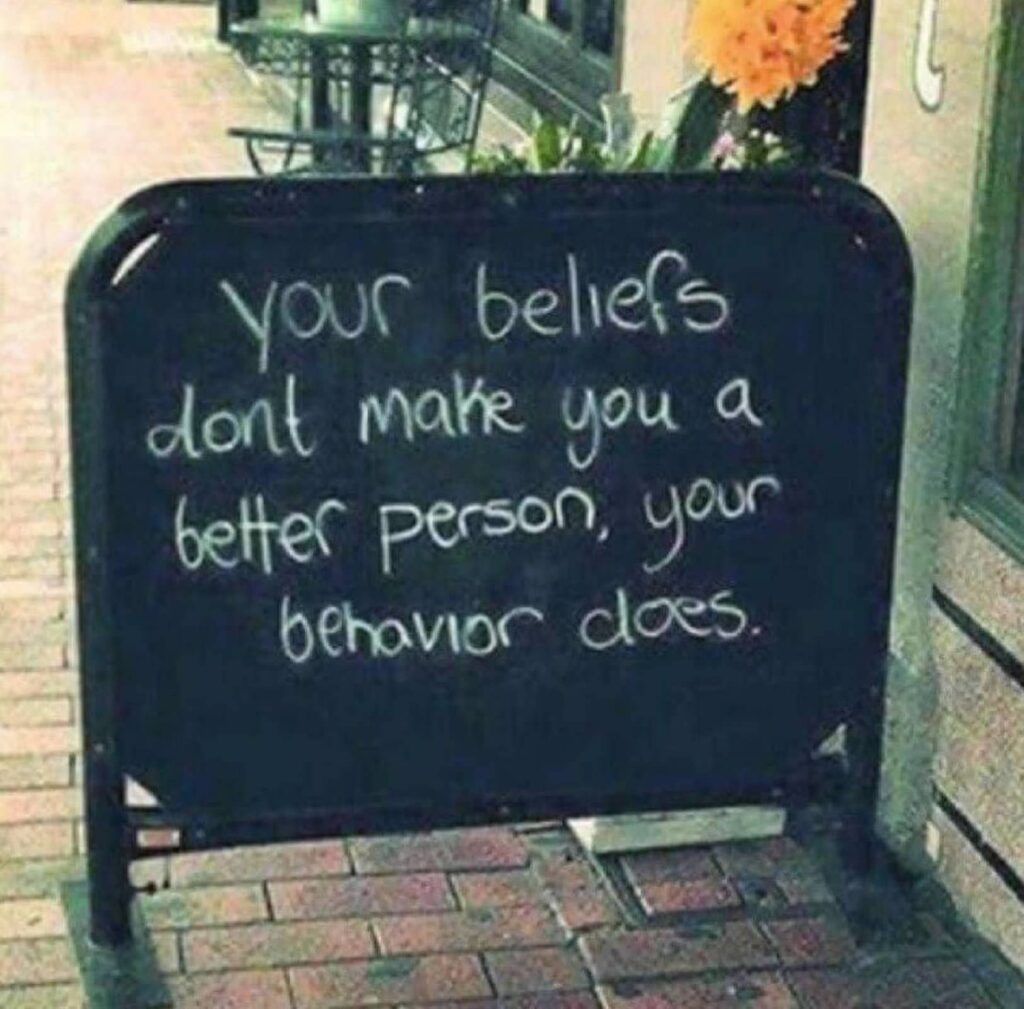
So, the next time you participate in consumerism, ask yourself one question: Does this fund destruction, or does it build something better? Then act like the answer matters.